FIND YOUR AWESOME
At Neuro Awesome, we are a team of lived experience professionals and volunteers, on a mission to create richer, fuller lives for people on the spectrum and those who love and support them in their every day lives. We know the journey is long and arduous and thats why we are here to support.
Welcome — and thank you for finding your way to Neuro Awesome 💛
A Note from THE FOUNDER & CEO
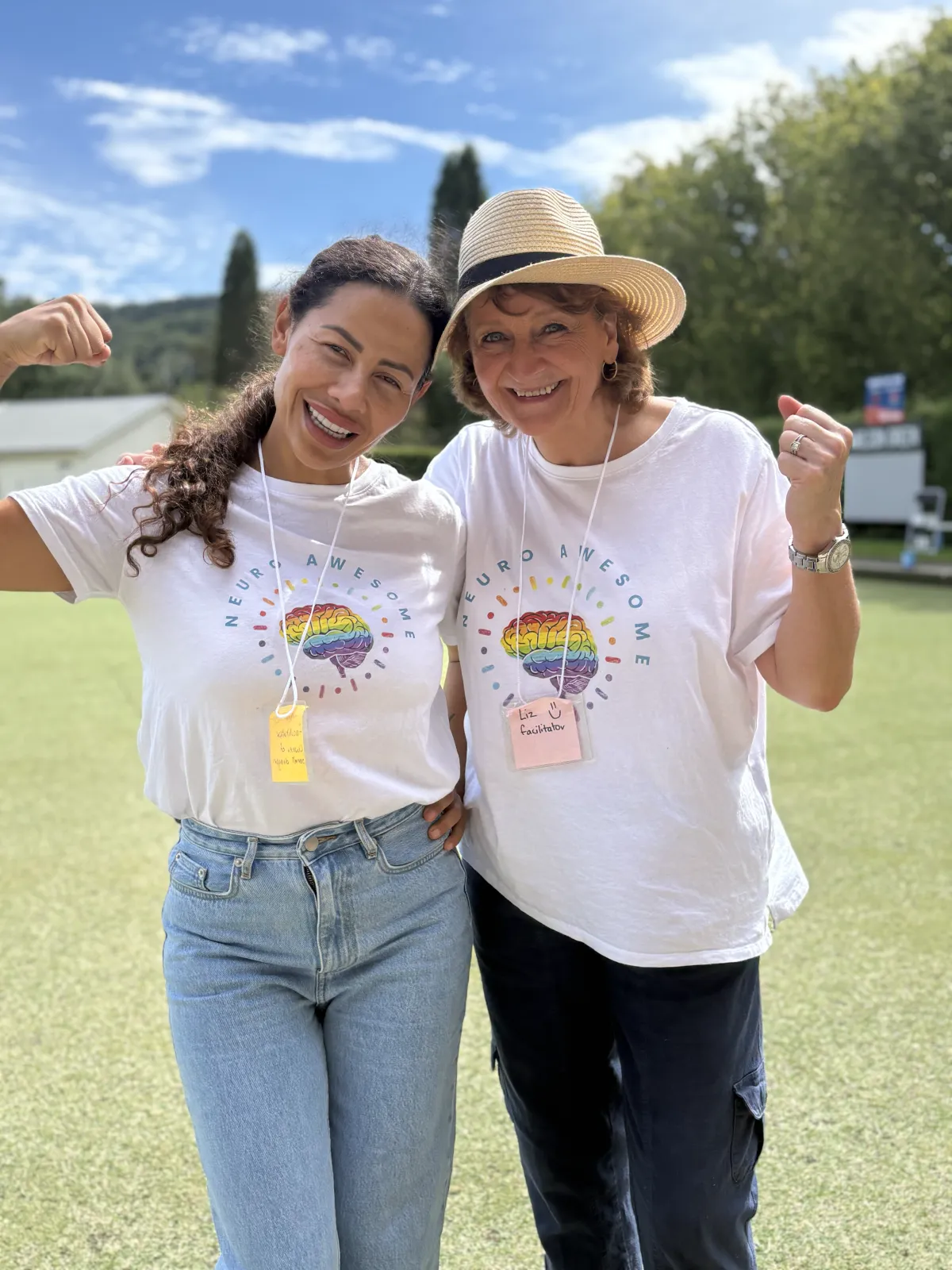
Whether you’re neurodivergent, a parent or carer, a friend, a partner, a support worker, an educator, or an organisation wanting to do better — we’re so glad you’re here.
Neuro Awesome exists to help close the gap so many people feel after diagnosis (or after years of feeling “different”). Because support shouldn’t stop at identification — and community shouldn’t be something you have to earn. We’re building spaces where neurodivergent people can belong, connect, and breathe — and where the people who love them can feel supported too.
This community began with an idea about connection and dating — but we quickly learned the first step isn’t romance. It’s belonging.
It’s safe, stigma-free environments where people can show up exactly as they are, meet others who “get it,” and build friendships, confidence, and a life that feels more supported.
We also want to pay heartfelt respects and gratitude to our incredible sponsors, partners, venues, facilitators, and supporters who have helped bring Neuro Awesome to life. Your generosity, belief, and shared vision are making a real difference — helping us create more inclusive, welcoming spaces for neurodivergent adults and young adults, and the families who walk beside them.
At the heart of it all is a simple mission:
to make the world a kinder, safer, more inclusive place for neurodivergent people — and to make sure nobody has to do this alone.
If you’d like to get involved — attend an event, join a support group, volunteer, partner with us, or simply ask a question — we’d love to hear from you.
With care,
Carolina + Team Neuro Awesome
Because “neurodivergent” is an umbrella term, there isn’t a single universally agreed global headcount — however, a widely cited estimate suggests around 15–20% of people are neurodivergent, according to the Deloitte Center for Integrated Research.
Here's Why Our Work Matters
National Autistic Society reports 79% of autistic people feel socially isolated
A cited NAS survey summary also reports 70% of family members feel socially isolated, and 50% of autistic people/families sometimes or often don’t go out because they’re worried about how others will react.
Australian research (Amaze): “over half” of autistic people are socially isolated, and many report negative day-to-day interactions — 81% being stared at and 61% people ‘tutting’/shaking heads.
A 2024 systematic review/meta-analysis found young people with ADHD report significantly higher loneliness than peers without ADHD (small-to-medium difference; Hedges’ g = 0.41)
Research shows around 70% of adults with ADHD report emotional dysregulation — that overwhelm isn’t attitude, it’s wiring.
In a major national survey, nearly half (47%) of adults with ADHD had an anxiety disorder in the last year, and 29% experienced social anxiety.
Sensory sensitivity is common in ADHD too — one study found 43% of women and 22% of men reported sensory hyper/hyposensitivity, especially in auditory settings.
PARTNERS
Who We Work With



You Belong Here
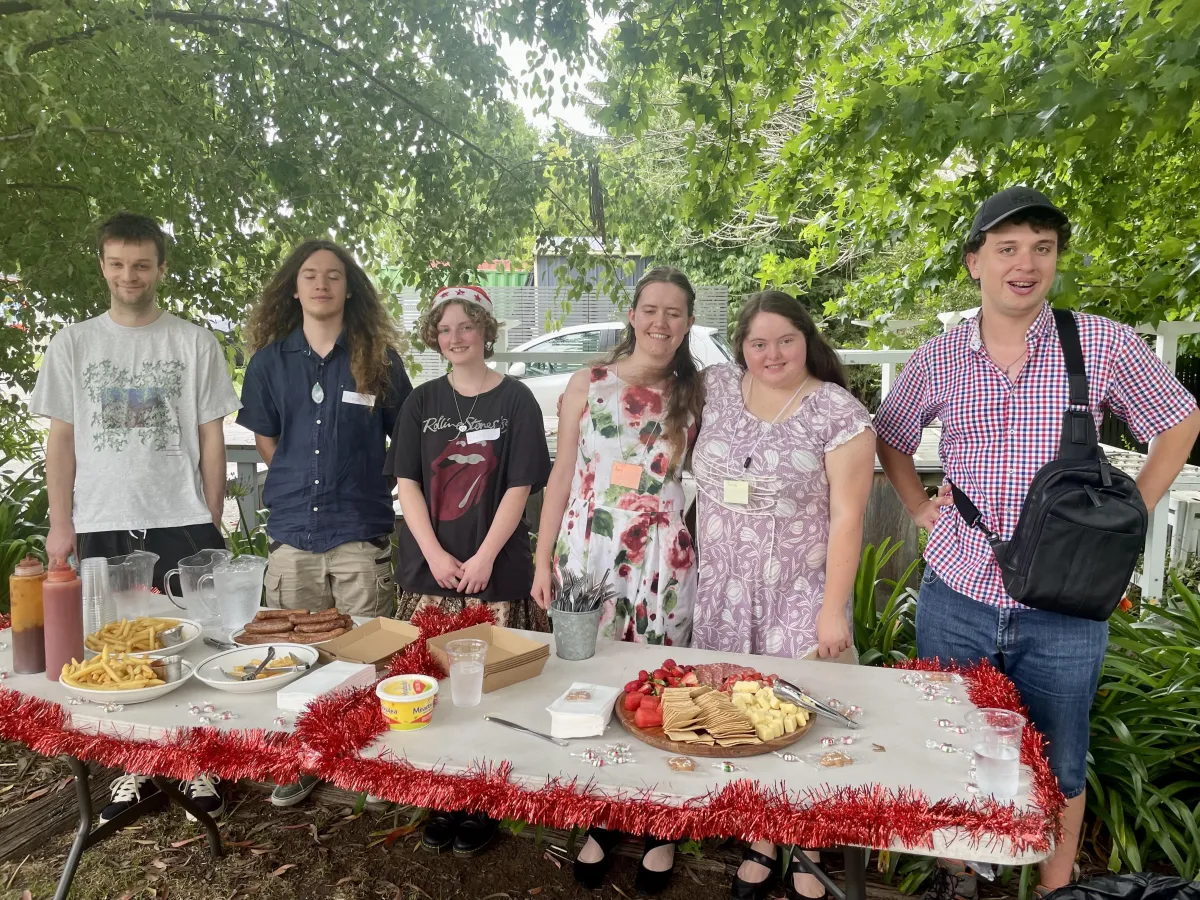
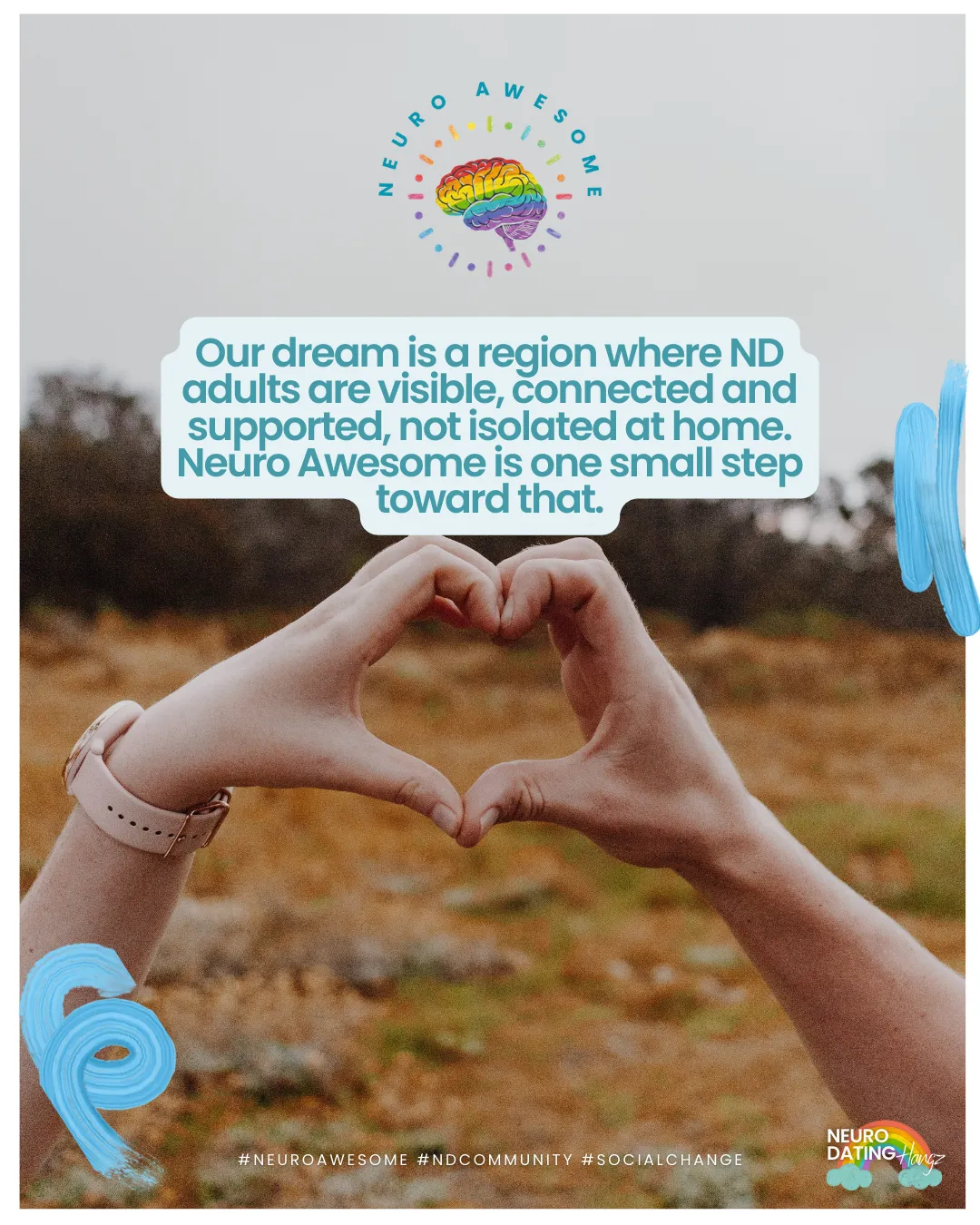
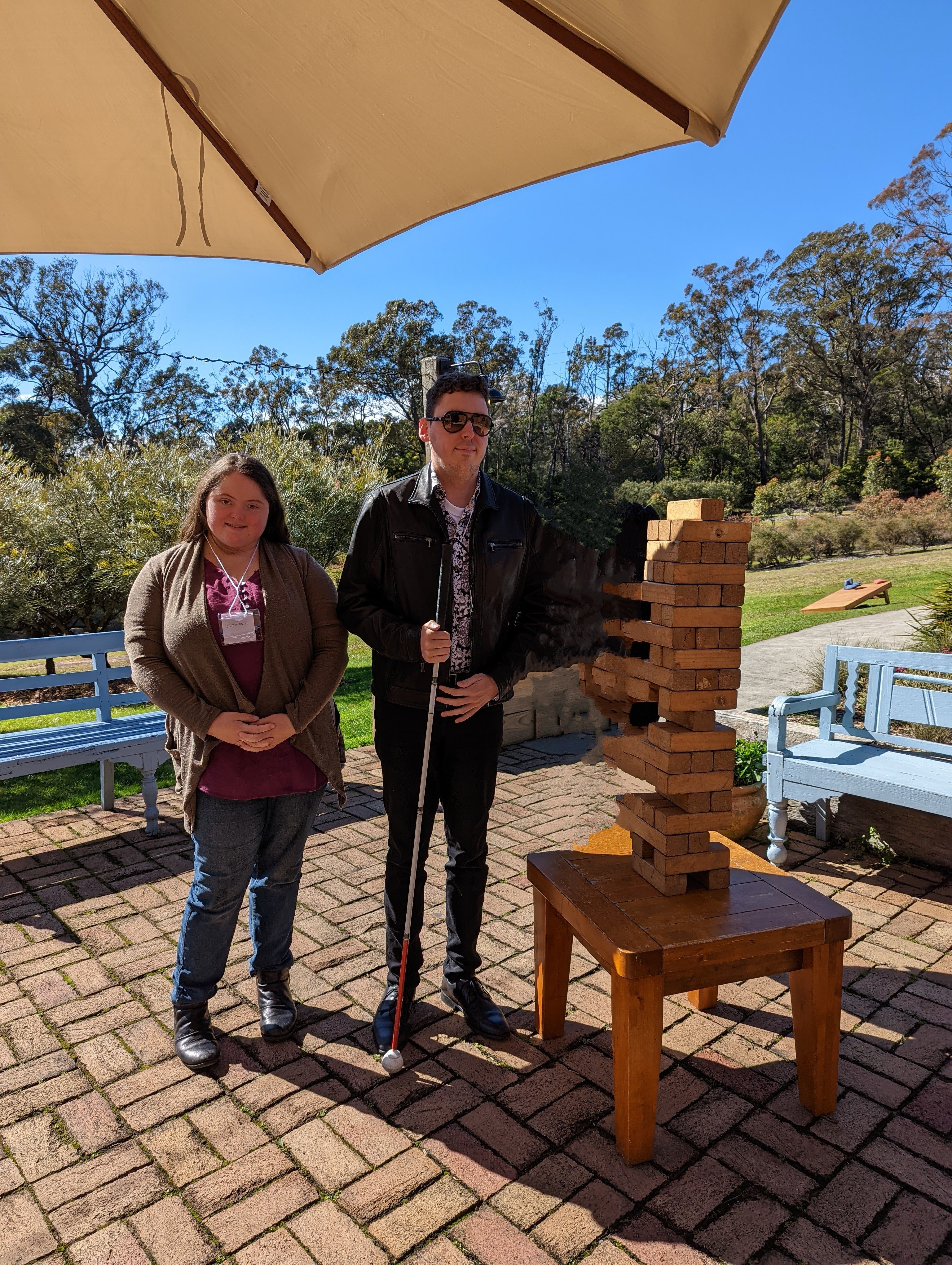
Whether you’re neurodiverse yourself, a family member, or simply someone who believes in equality and kindness—we’d love you with us.
Join an event.
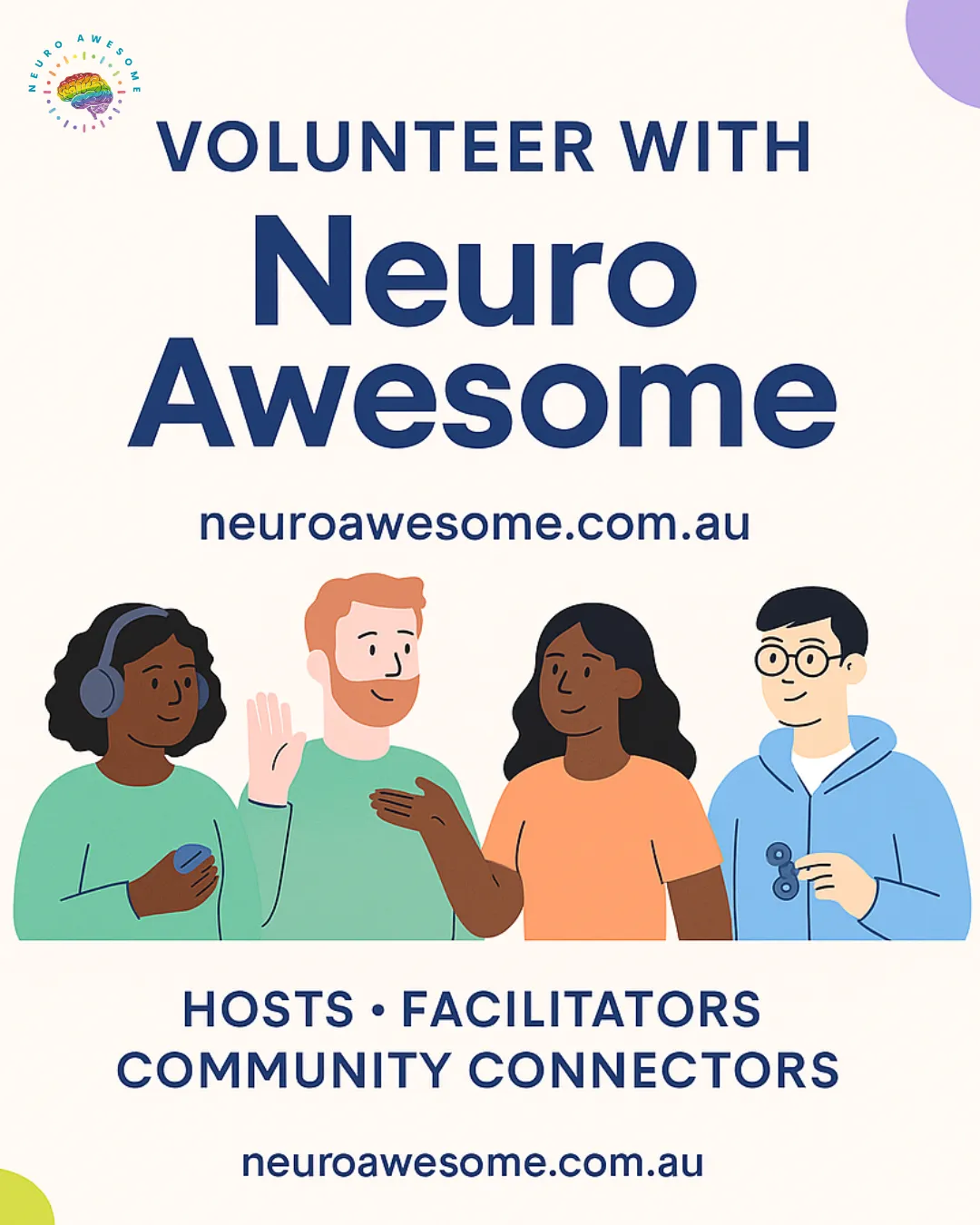
Volunteer your time or skills.
Share our story and help us grow.
Sponsor an event.
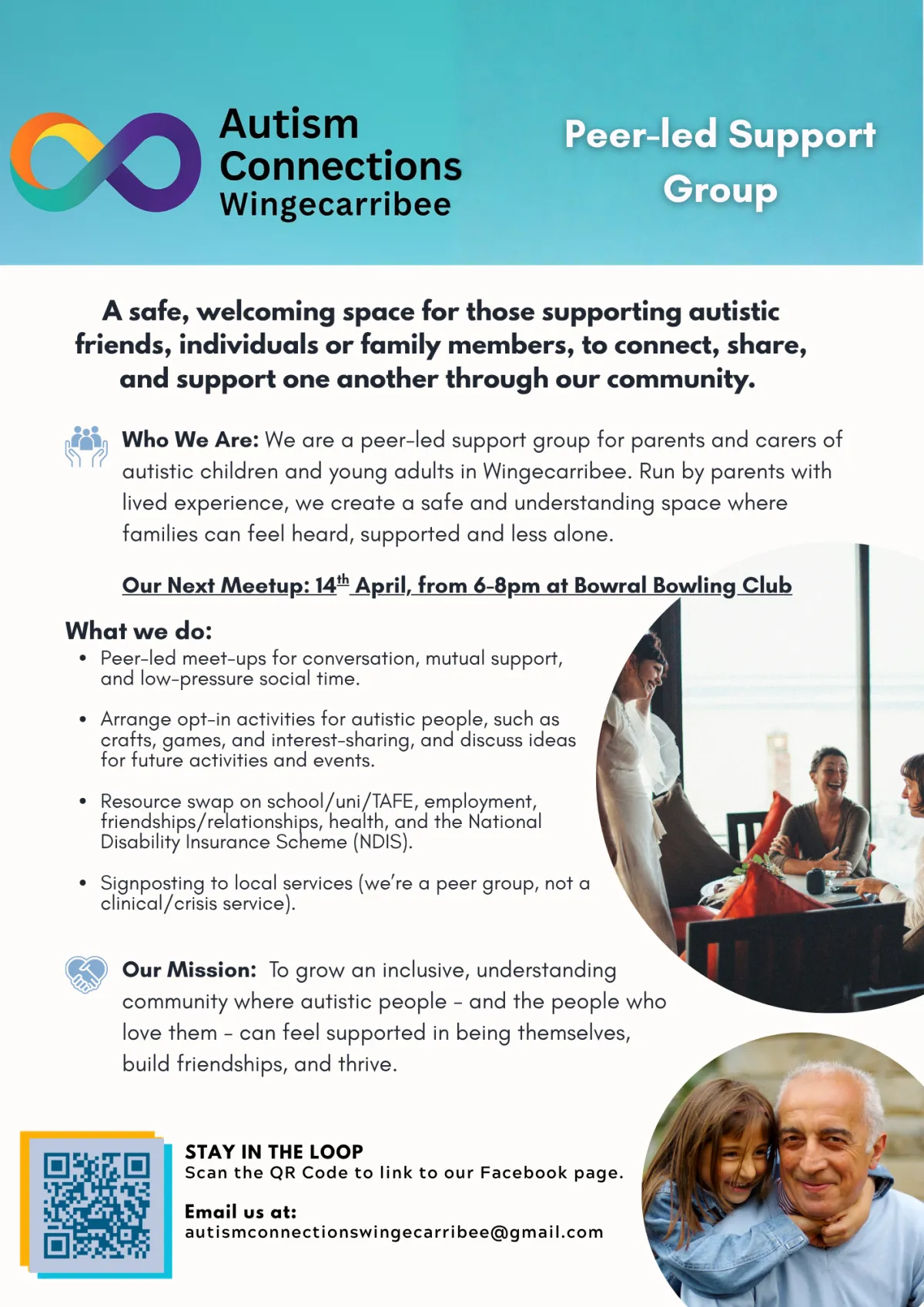
Join our peer-led support group for familes, parents and carers.
Because when we connect without prejudice, we create a world that’s truly awesome.
Watch our Live Stream Replay Here:
Join Our Peer-Led Support Facebook Group :https://www.facebook.com/share/g/1DZPpYnPqy/
Partner With Us
Let us know if you would like to join forces! We are always looking for new collaboration and sposorship opportunities so that our work reaches more people who need it.
ORGANISATION
Join us On Socials


© Copyright 2026
Neuro Awesome
All Rights Reserved